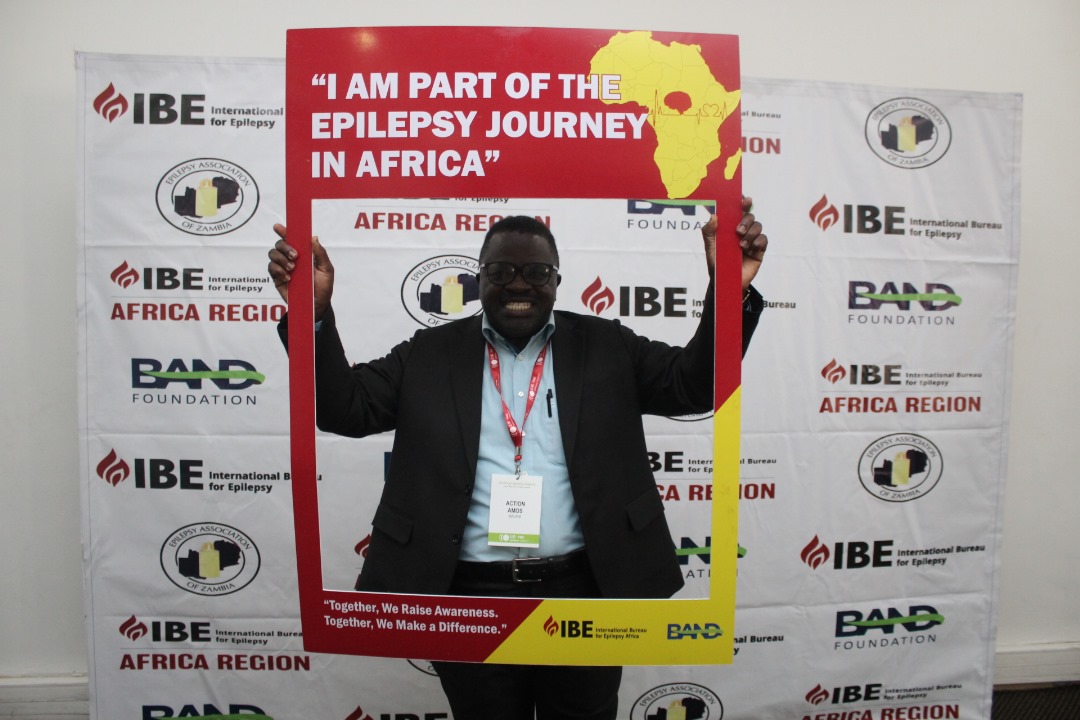
The 2025 International Bureau for Epilepsy (IBE) Africa Convention, held from May 15-17 in Lusaka, Zambia, concluded with participants collaboratively identifying regional strategic priorities that include Policy Advocacy, Health Systems Strengthening as well as Education and Employment aimed at enhancing advocacy and care for individuals living with epilepsy across the continent. The gathering of varied stakeholders highlighted the urgent need for collaboration, resource mobilization, and the integration of epilepsy care into broader health initiatives.
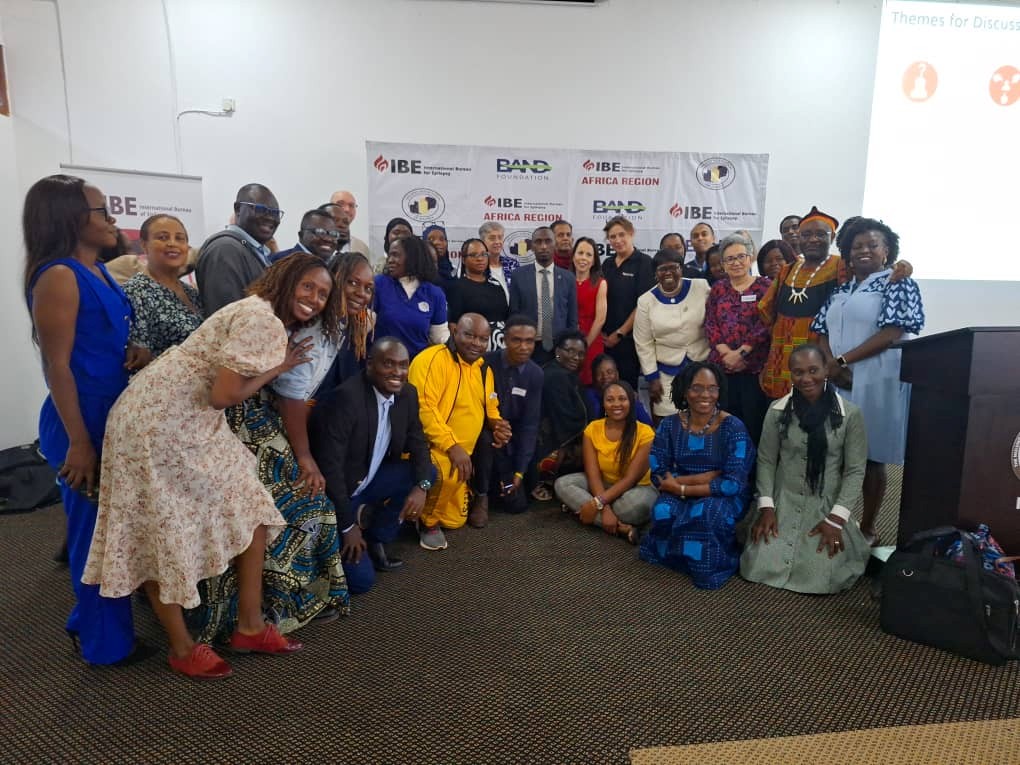
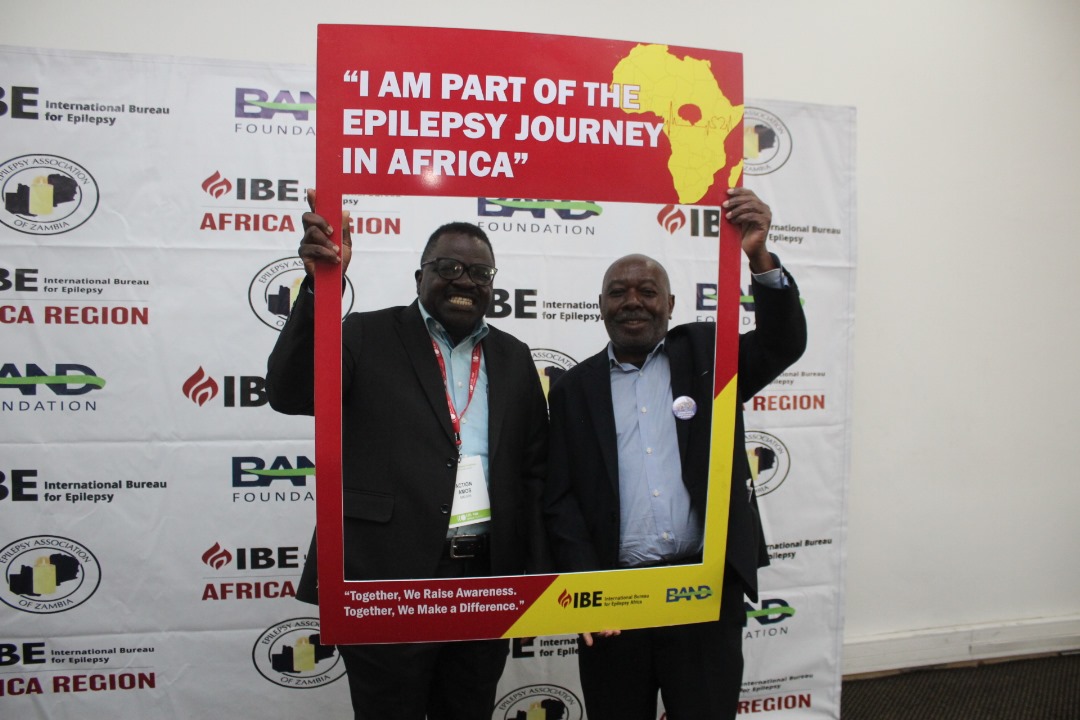
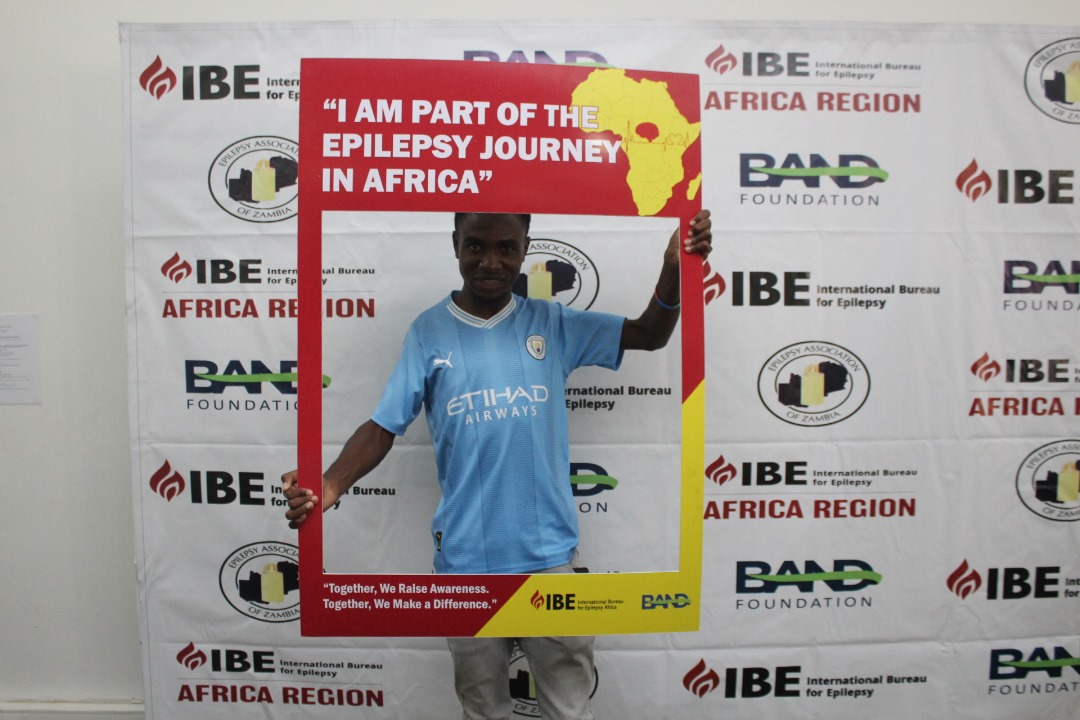
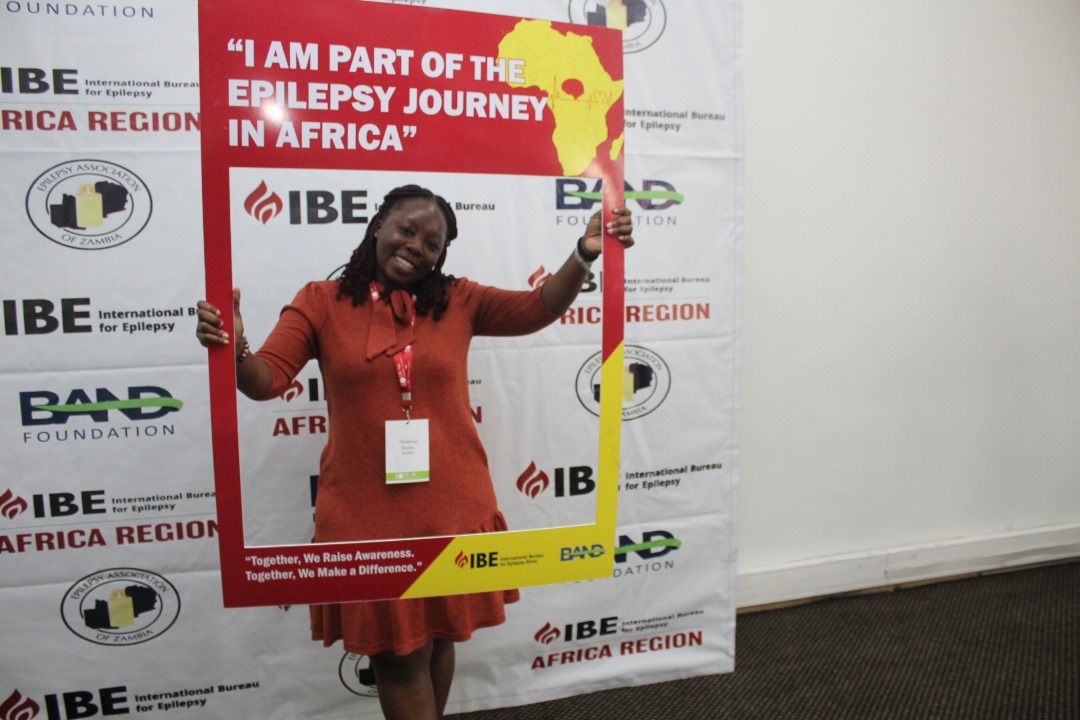
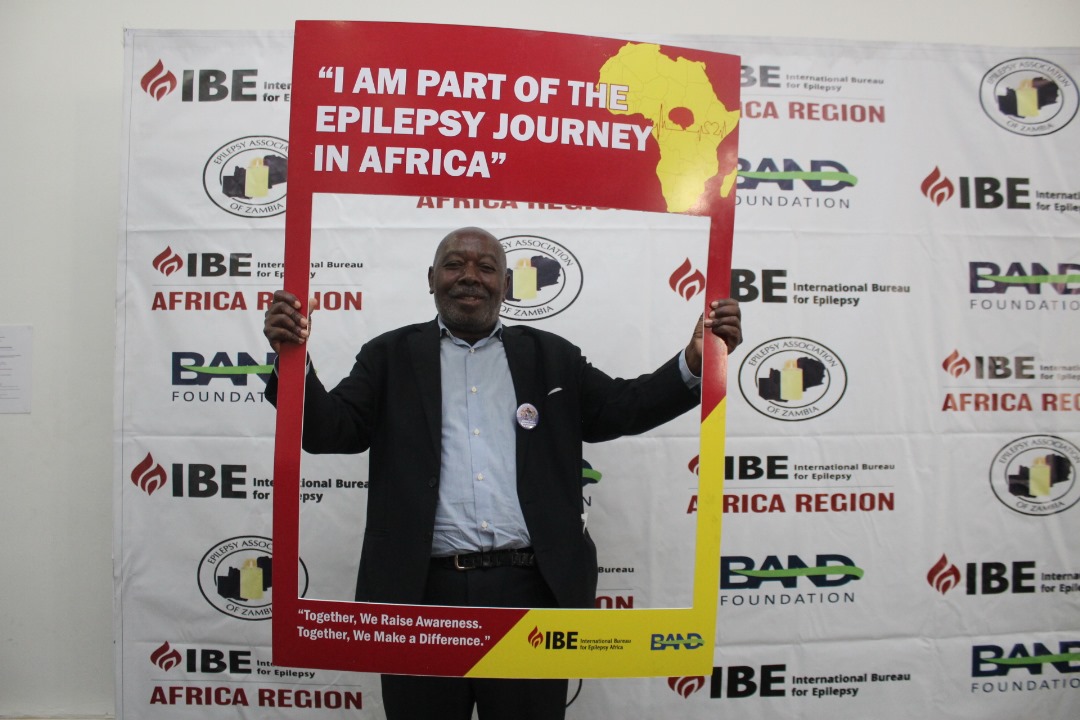
Participants at IBE AFRICA 2025 Convention
A Gathering of Experts and Advocates
The convention served as a crucial platform, uniting representatives from IBE Chapters across numerous African nations, including The Gambia, Cameroon, Ethiopia, Kenya, Uganda, Tanzania, Rwanda, Zimbabwe, Mauritius, Malawi, Lesotho, Eswatini, Mali, Tunisia, and South Africa. Esteemed professionals from organizations like, WHO AFRO Regional Office, UCB, Band Foundation, AMREF, ROW Foundation, ILAE, and IBE Chapters enriched the event with their insights.
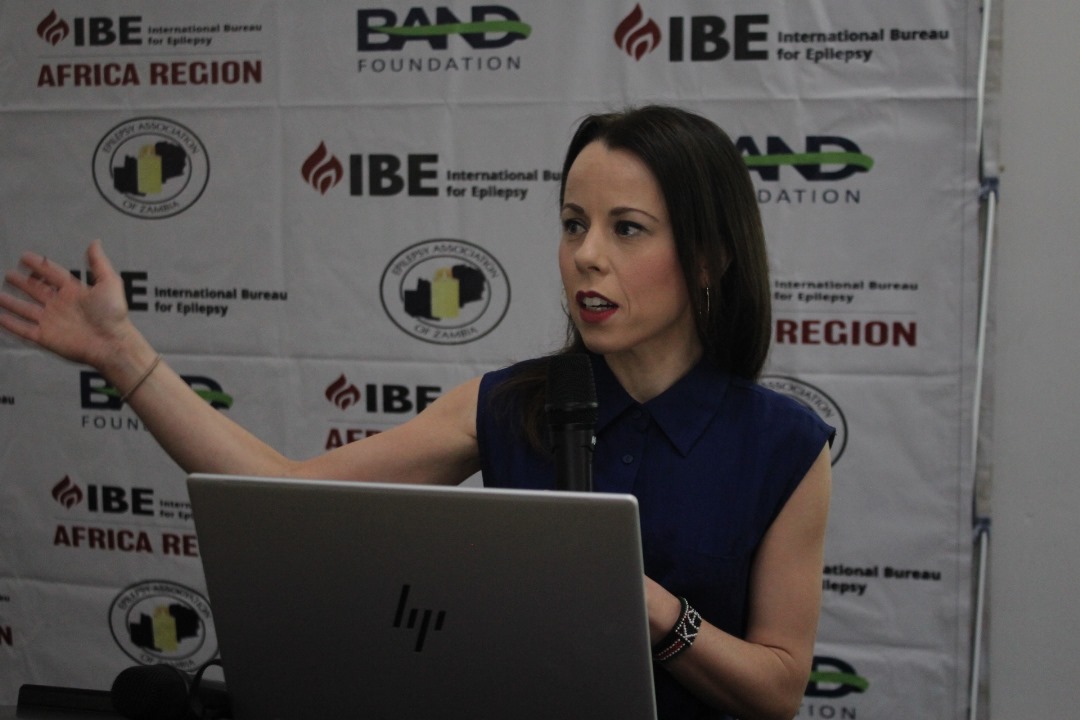
Donna Walsh, IBE CEO
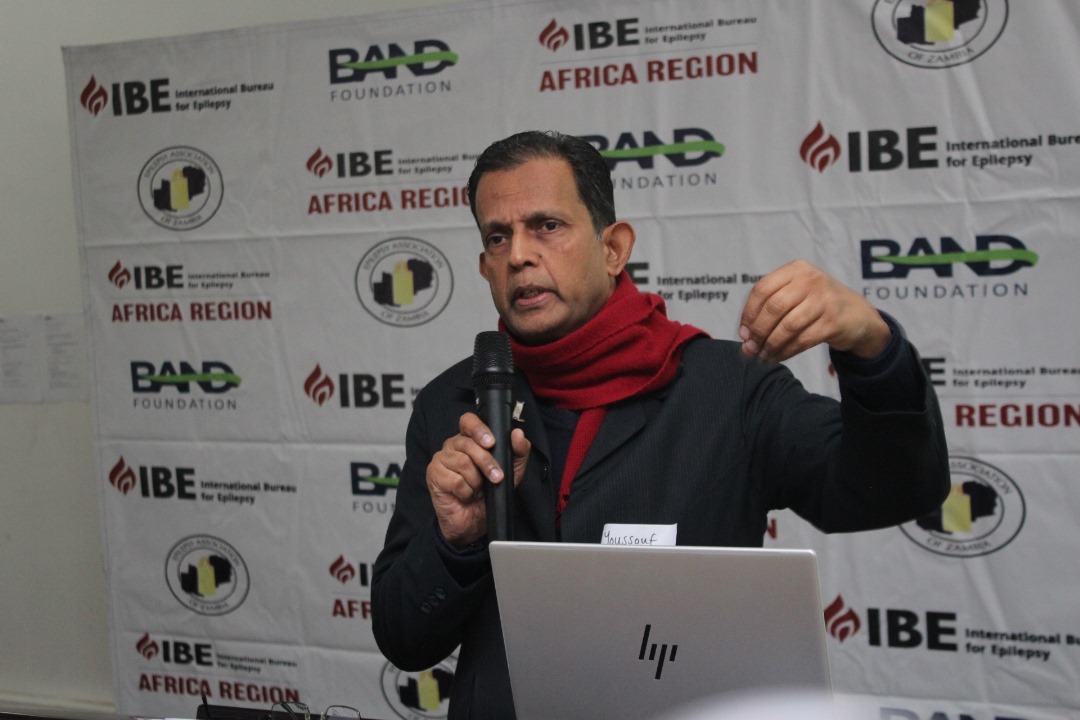
Youssouf Noormamode, IBE Africa Int Vice President
The event took place at the Mulungushi International Conference Centre, where IBE CEO Donna Walsh outlined the program. Youssouf Noormamode, IBE Vice President and Chair for Africa, expressed gratitude to attendees and emphasized the necessity for collaboration among IBE chapters and government health ministries to implement the Intersectoral Global Action Plan (IGAP) effectively.
Global Epilepsy Needs Survey (GENS)
A cornerstone of the convention was the presentation on the ‘Global Epilepsy Needs Survey (GENS)’ led by Claire Nolan, IBE Head of Engagement. Accompanied by Anita Mango from Uganda and Adams Jallow from The Gambia, Nolan provided an overview of the GENS study, focusing on the unmet needs of individuals with epilepsy in Africa.
Nolan highlighted the survey’s significance in identifying gaps in care and support for people living with epilepsy. The insights gained will guide future advocacy efforts and public health initiatives.
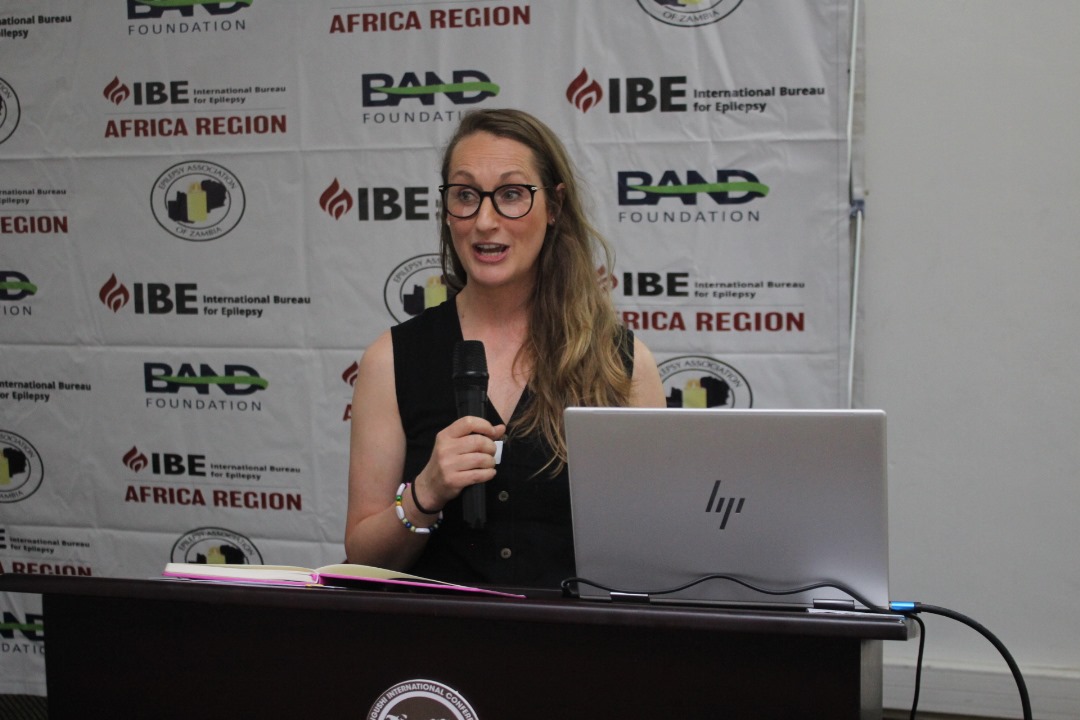
Claire Nolan, IBE Head of Engagement
Sharing Experiences and Challenges
Representatives from the ‘Purple Bench Initiative’, Anita Mango and Adams Jallow, shared their experiences with the GENS project in their countries. They discussed challenges in data collection and awareness-raising, emphasizing community involvement in identifying issues affecting individuals with epilepsy.
Dr. Chahnez Charfi from Tunisia concluded the experience-sharing segment by appreciating IBE’s efforts in conducting the GENS in the East Mediterranean region. She called for more surveys and activities in this area, highlighting the lack of available data on epilepsy.
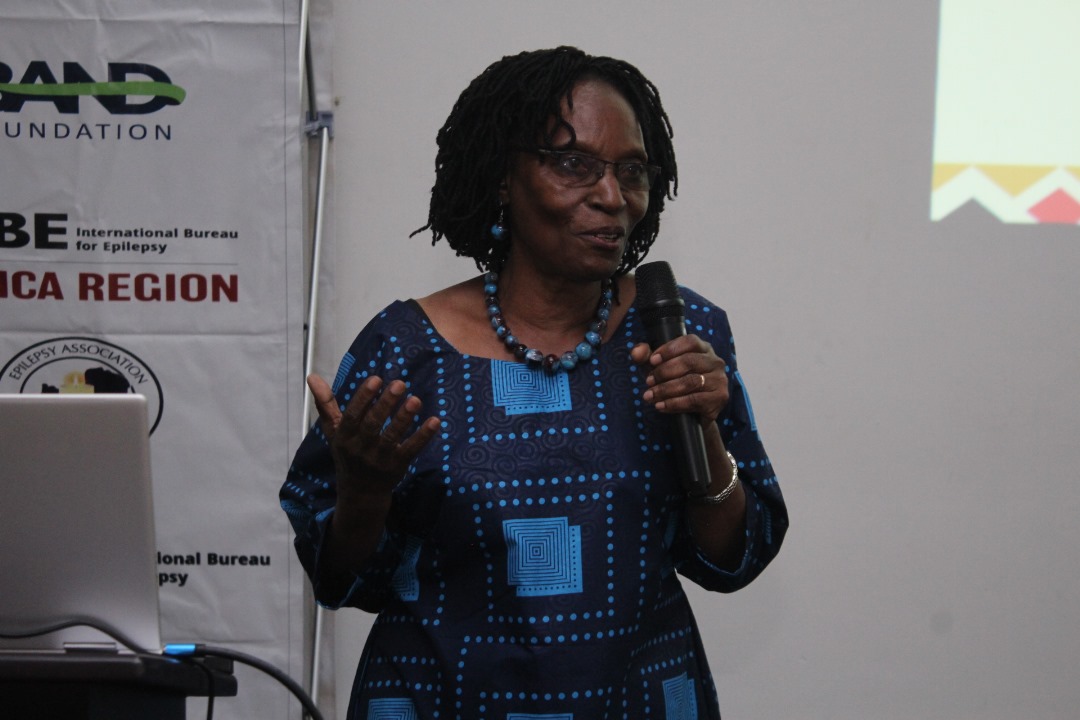
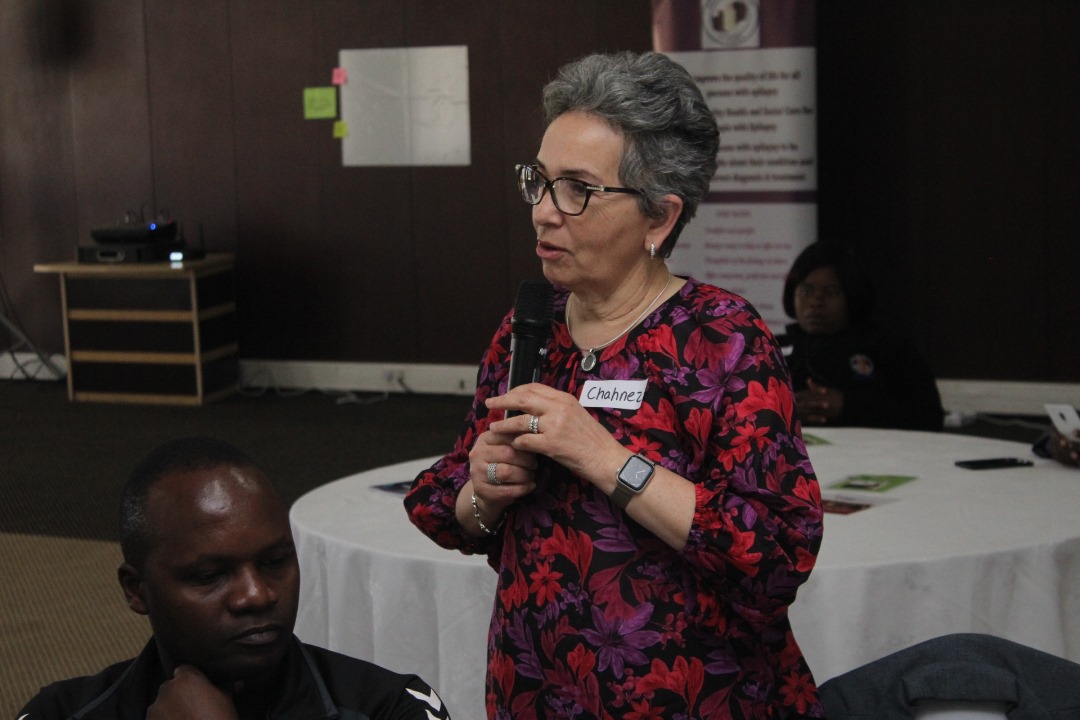
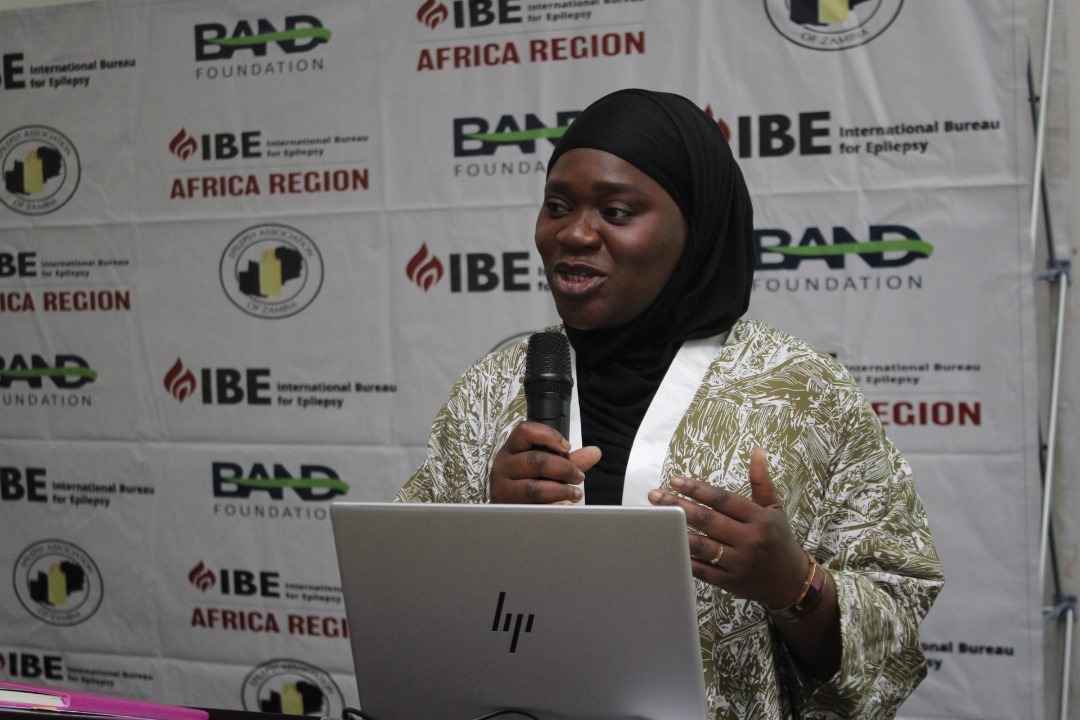
Anita Mago from Uganda , Dr Chahnez Charfi, Tunisia & Adam Jallow, Gambia sharing their experiences with the GENS Project
The IBE Vice President reiterated the value of the GENS project, stating it would provide essential data for policymakers and promote awareness of epilepsy within communities. Following the GENS presentation, participants engaged in breakout groups to discuss various themes related to the survey, focusing on:
- Navigating uncertainty and redefining daily life
- Living with social judgment and misunderstanding
- Negotiating systems designed without individuals with epilepsy in mind
- Consequences of inadequate information and support
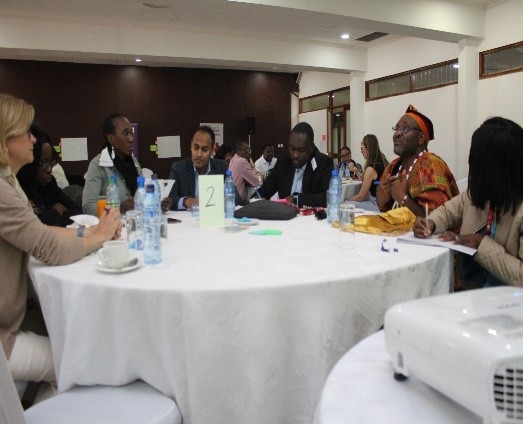
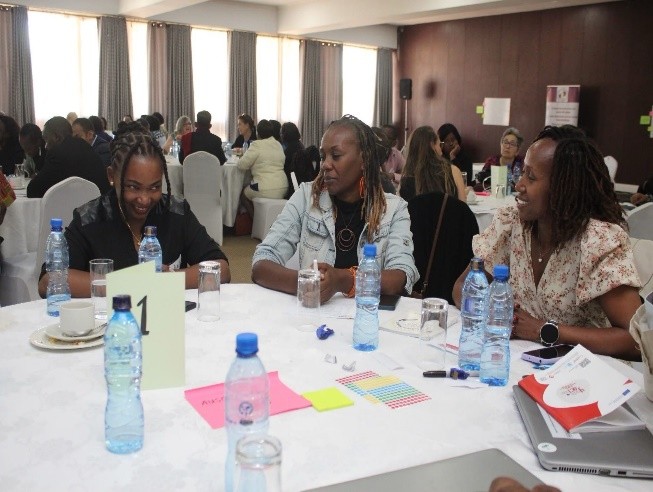
Group Discussions
These sessions culminated in identifying priority actions for the IBE regionally and globally, including:
- Mobilizing resources for policy advocacy at a regional level
- Convening regional thematic task forces for knowledge sharing among chapters
- Conducting and disseminating research
- findings to drive change
- Developing training resources for educators to support children with epilepsy in schools
- Collaborating with professional organizations for standardized training for healthcare providers
These recommendations aim to enhance the effectiveness of epilepsy advocacy and care across Africa.
Insights from WHO
Dr. Chido Rwafa Madzvamutse from the WHO Regional Office for Africa discussed the implementation of the IGAP for epilepsy and neurological disorders. She highlighted the absence of a strategic framework for epilepsy in the region and the need for integration into primary care systems. Dr. Rwafa pointed out legislative gaps and financial challenges that hinder effective epilepsy care in Africa. She emphasized the importance of capacity-building tools, such as the mhGAP initiative, to train healthcare professionals.
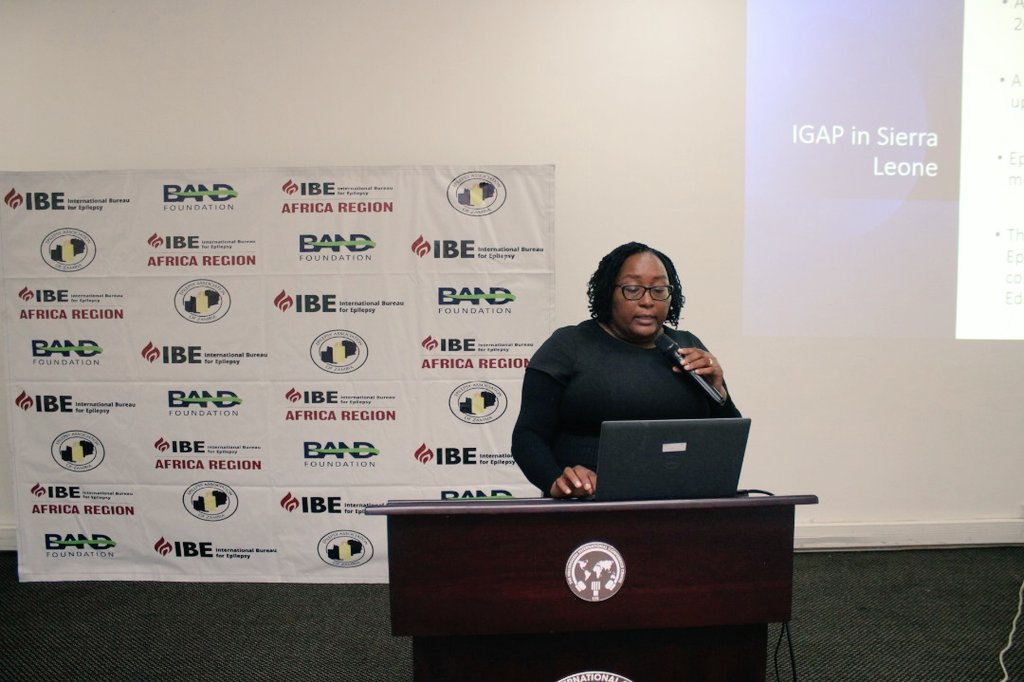
The session concluded with Dr. Rwafa calling for increased financial support for epilepsy initiatives and budgeting for epilepsy care within WHO member countries.
Advocacy Under Pressure
Amos Action, IBE Africa Regional Coordinator, led a session on the challenges of epilepsy advocacy in the region. He posed an African proverb: “If you try to sit on two stools, you will spoil your trousers,” underscoring the need for a unified approach to epilepsy advocacy. Participants discussed the classification of epilepsy within various health sectors, including mental health and neurological disorders. Dr. Rwafa suggested renaming the Mental Health Department to include neurological disorders, which could elevate the profile of epilepsy within health systems.
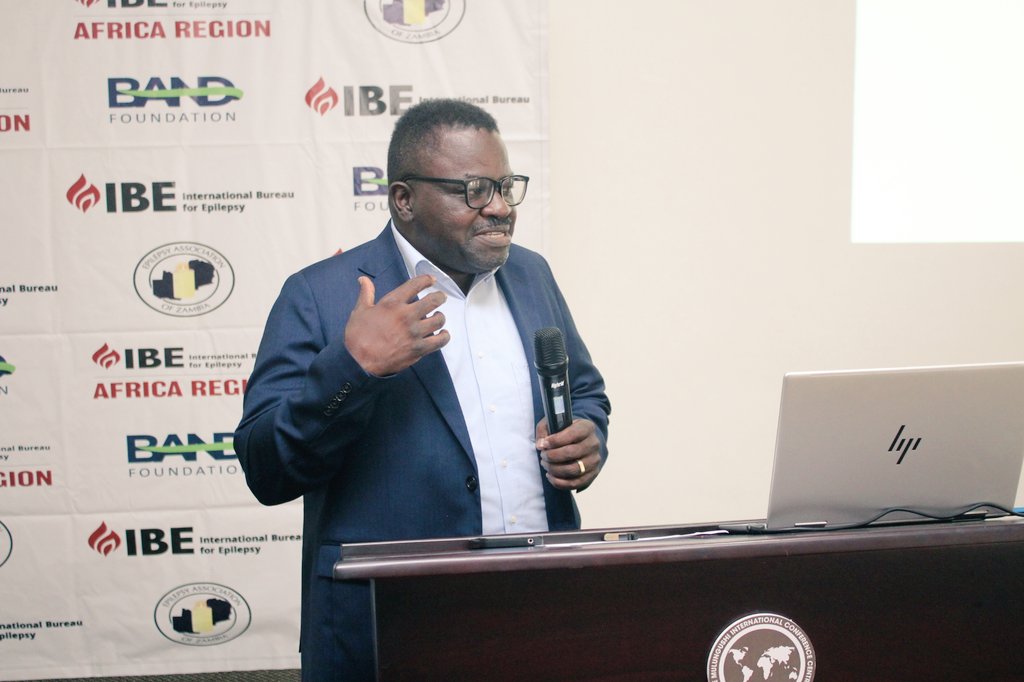
Amos Action, IBE Africa Regional Coordinator
Action emphasized the necessity of combating stigma and discrimination surrounding epilepsy. He identified three key skills essential for effective advocacy: policy advocacy and lobbying, communication, and community participation. These skills are crucial for empowering individuals with epilepsy and fostering an inclusive environment.
Participants also evaluated their understanding of resource mobilization, discussing the challenges of securing funding for epilepsy initiatives in the current financial landscape. Panelists shared their organizations’ missions and the complexities involved in obtaining financial support, agreeing on the need for innovative approaches to resource mobilization and collaboration among stakeholders.
Conclusion: Way Forward
The IBE Africa Convention attracted 60 participants and the event provided a platform for collaboration, strategy development, and a renewed commitment to improving epilepsy care across the continent.
Other agreed next steps will see, IBE will work on the suggestions and later develop a regional implementation plan.
IBE will support chapters with funding to implement projects aligned with the identified priorities.
IBE will continue to engage at the regional level to ensure IGAP implementation in collaboration with WHO and the African Union.
With the momentum gained from these discussions, the IBE Africa Convention continues to serve as a vital space for fostering partnerships, strengthening advocacy efforts, and advancing epilepsy-related policies in Africa. The hope is that such gatherings will be held regularly, ensuring that the voices of individuals affected by epilepsy are heard and that meaningful progress is made in addressing their needs.
Through shared knowledge, collaboration, and a commitment to advocacy, the IBE Africa Convention is paving the way for a brighter future for individuals with epilepsy across the continent. The collective efforts of participants will undoubtedly contribute to a greater understanding of epilepsy and improve the lives of those affected by this condition.