
Before epilepsy became part of her life, Isrey Athumani from Tanzania had big dreams.
She was focused on school and worked hard every day because she wanted to become a doctor. Her life was simple and organized—going to class, studying, helping at home, and spending time with friends. She dreamed of helping people and making a difference in her community.
Then one day, things started to change. When Everything Felt Unclear
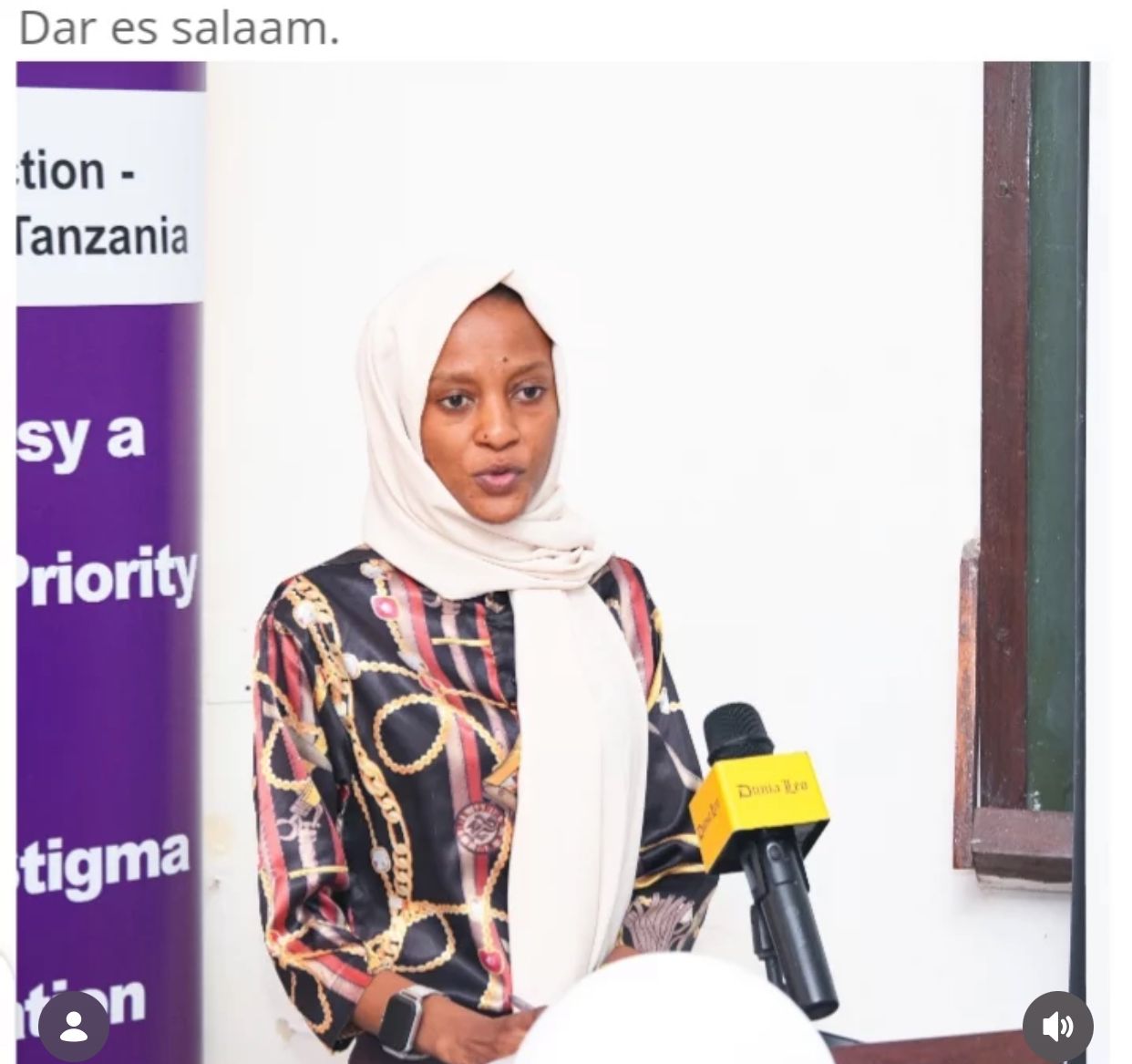 It began with strange and frightening moments she could not understand. Her body was not behaving normally, and she didn’t know why. She went through many hospital visits, searching for answers. It was stressful and confusing. “The hardest part was not knowing what was happening to me,” she says.
Even though some family members and health workers supported her, the journey was not easy.
Finding Out It Was Epilepsy
When she finally learned it might be epilepsy, she felt afraid. She worried about her future. Would she still reach her dreams? Would people treat her differently? But over time, her thinking changed. Instead of fear, she began to learn about her condition and accept it. “That moment changed me,” she says. “I decided to be strong.”
The Pain of Stigma
One of the hardest parts was not the illness—but how people reacted. She remembers having a seizure in public. Instead of helping, some people were scared and said hurtful things. Others stayed away from her. “That hurt me more than the seizure,” she explains.This shows how much misunderstanding still exists about epilepsy.
Truth vs Myths
Many people believe epilepsy is caused by curses or something supernatural. But Isrey wants people to know the truth. “Epilepsy is a medical condition. It is not a curse.With proper care, people with epilepsy can live normal and successful lives” .
Dealing With Fear
At first, she struggled with fear, shame, and sadness. She was afraid of having seizures at any time and worried about what people would think. But things slowly got better.As she learned more and accepted herself, she became stronger. Speaking out about her experience also helped her heal. Her treatment journey took time. She had to find the right medication, learn what triggers her seizures, and take care of her health every day. Regular hospital visits became part of her life. Over time, she learned how to manage her condition better. “I now understand my body,” she adds.

Facing Difficult Moments
There were times when epilepsy caused her to miss important moments in her life. These were painful and frustrating. But she did not give up. With support from her family and close people, she kept going. “Challenges don’t define me,” she says.
The Importance of Support
Support has made a big difference in her life. Her family, healthcare workers, and awareness groups have helped her stay strong. However, she believes more needs to be done. “People need more education about epilepsy,” she says. “We also need better support in schools and communities.”
Her Message to Others
Today, Isrey is using her voice to help others. To young people living with epilepsy, she says “Do not give up. You are strong. Your condition does not stop your dreams.”
To leaders and communities, her message is clear “Learn about epilepsy. Support those living with it. Treat them with respect.”
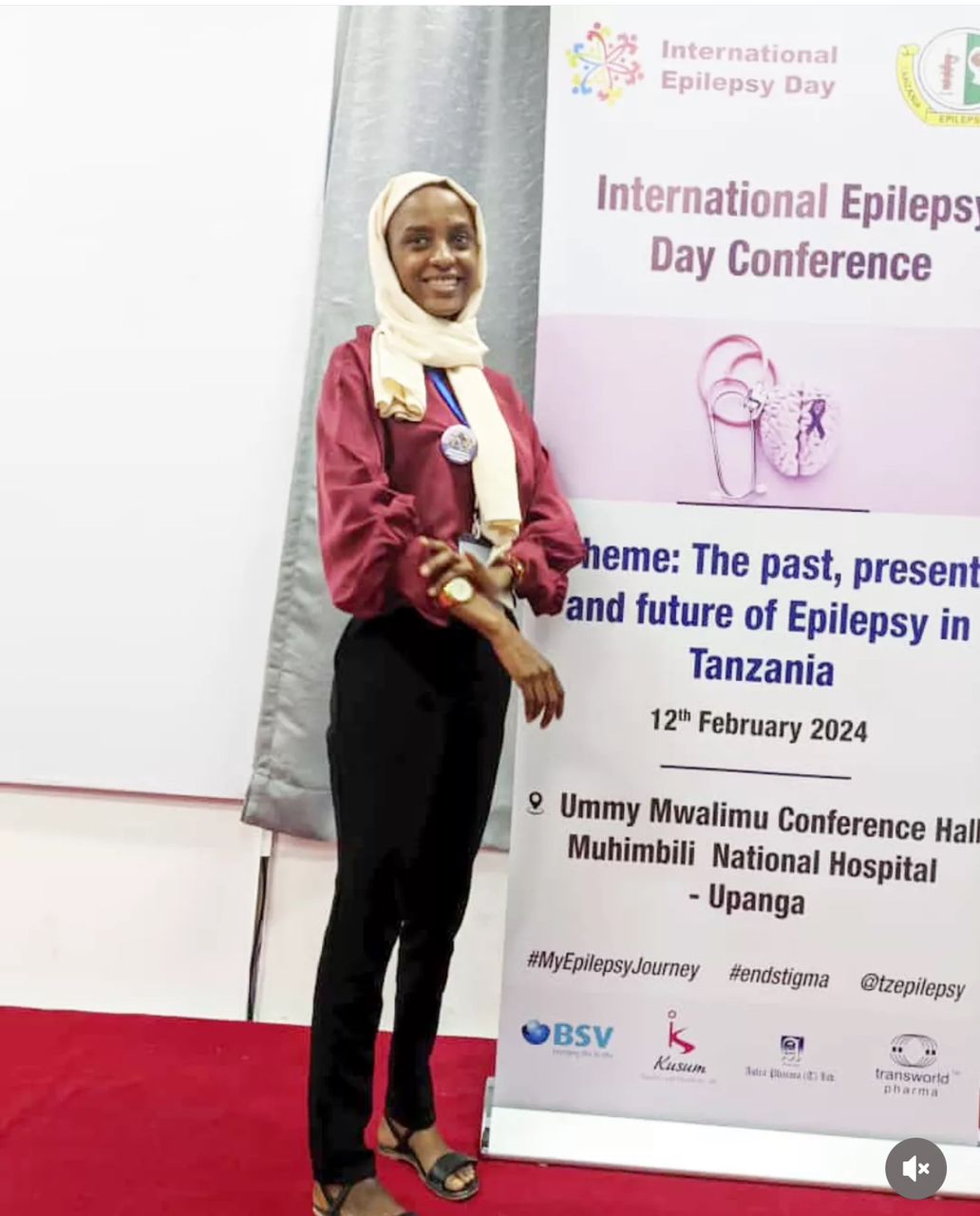
Call to Action
Epilepsy is not something to fear.
It is a medical condition—and it can be managed.
But stigma and lack of understanding continue to harm those living with it.
It is time to change that.
Let us educate our communities.
Let us support people living with epilepsy.
Let us create a world where no one feels ashamed or left out.
Because everyone deserves respect, care, and the chance to live their dreams.
Together, we can end epilepsy stigma.