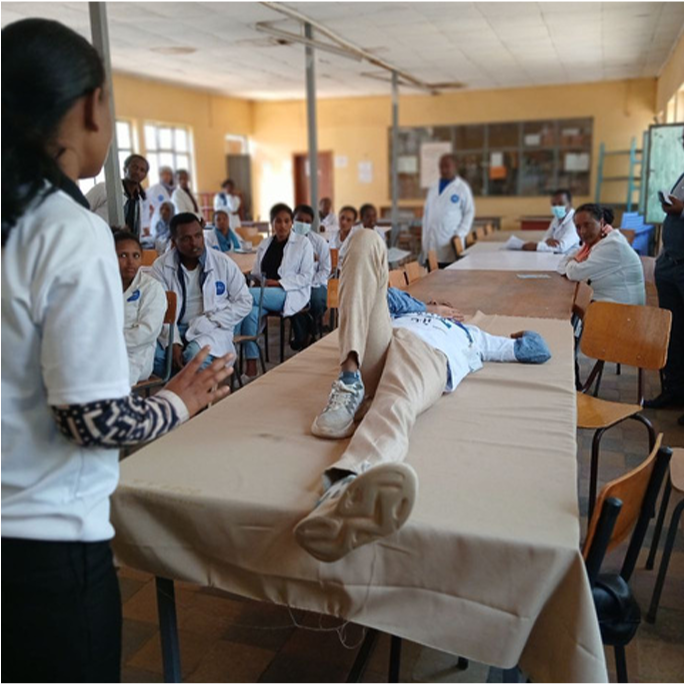
During the first five months of implementation, our project in Bench Maji Zone focused on preparation, partnership building, and technical readiness to ensure delivery is both high-quality and ethically compliant.
A strong coordination structure was established with the Ministry of Health, EPHI (Ethiopian Public Health Institute), and Gerar Bet Tehadso Mahiber (GTM). This strengthened shared roles and enabled effective planning for field activities. Collaboration with the Bench Maji Zonal Health Office was also secured, including support to facilitate field access, mobilise Health Extension Workers (HEWs), and co-lead community engagement activities. At zonal and woreda levels, local focal persons were identified to further support implementation.
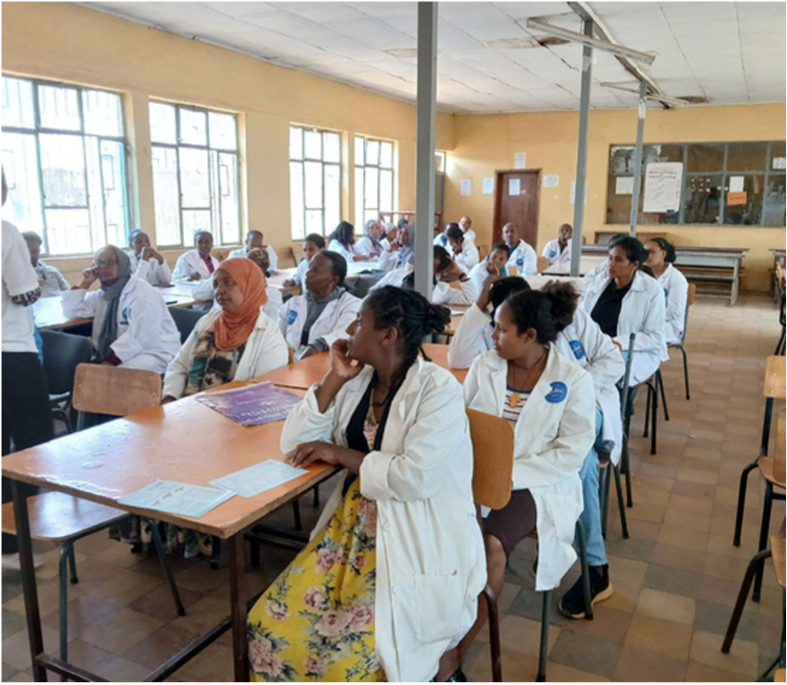
To support ethical research and service delivery, epilepsy prevalence survey tools have been drafted and are currently in preparation for validation and rollout. This work is conducted in partnership with Jimma University to strengthen survey logistics and community field engagement. BART clearance has been submitted and verbally accepted, with written confirmation still pending. Ethical compliance remains a key priority.
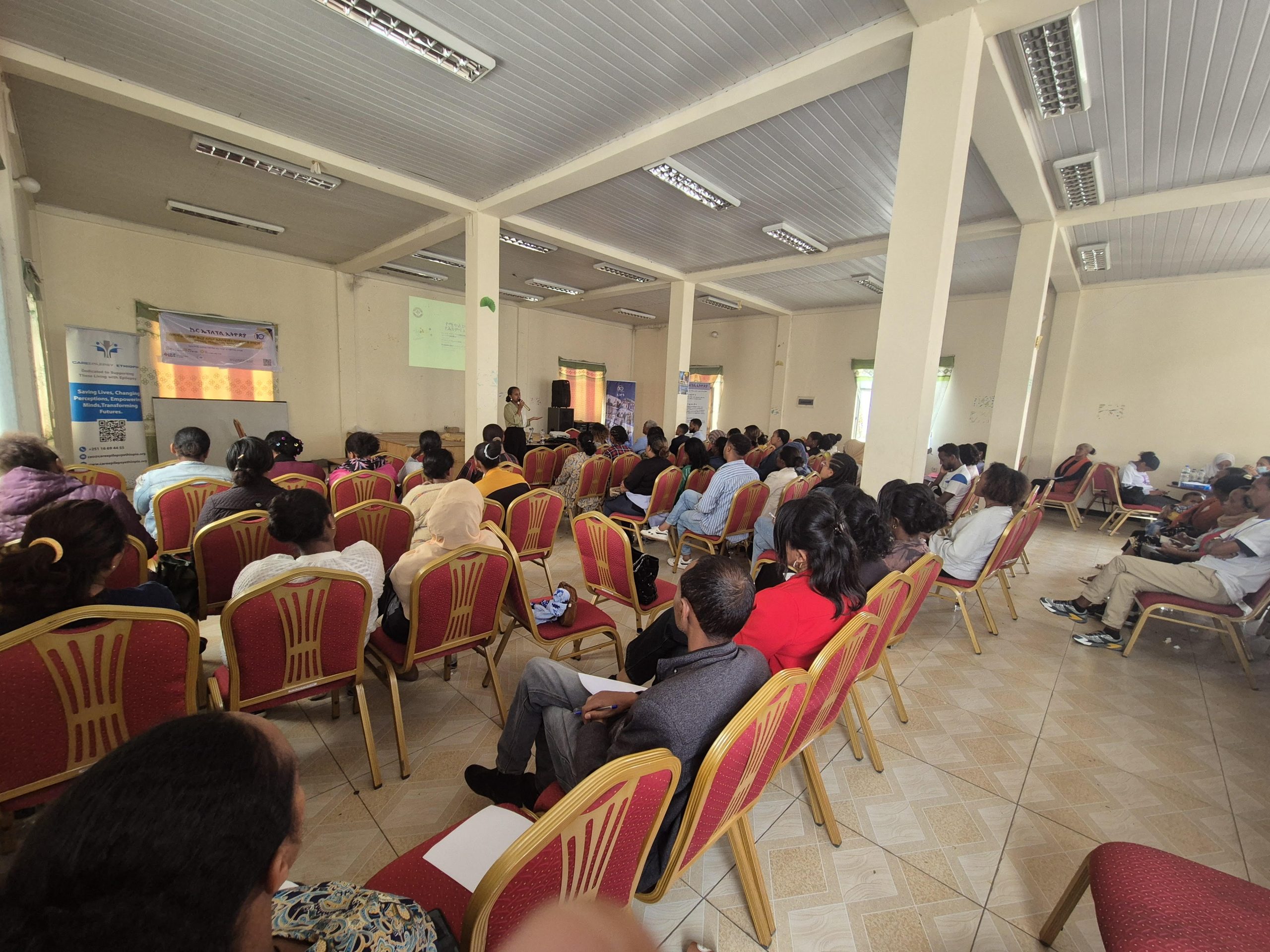
In parallel, a comprehensive HEW training manual was completed, covering clinical epilepsy care, psychosocial support, and referral skills. Twenty HEWs have already been trained, with the curriculum pre-tested and a facilitator guide finalised.
Community awareness initiatives also progressed, with IEC materials distributed across all four target areas. Preparations for National Epilepsy Month and International Epilepsy Day required significant effort, aligned with project goals on stigma reduction and policy engagement. Meanwhile, IGAP Technical Working Group meetings continue, and in a major milestone, the Ministry of Health launched an epilepsy-focused training manual in February 2026, developed with the Neurology Association and CareEpilepsy Ethiopia.