
The Epilepsy Association of Sierra Leone (EASL) building on the momentum of the WHO Intersectoral Global Action Plan (IGAP) and the National Round table Conference on Epilepsy Action and Advocacy held in October 2024, EASL has implemented a range of strategic activities from January to June 2025. These initiatives reflect IGAP’s five objectives and Sierra Leone’s growing commitment to inclusive, rights-based epilepsy care.
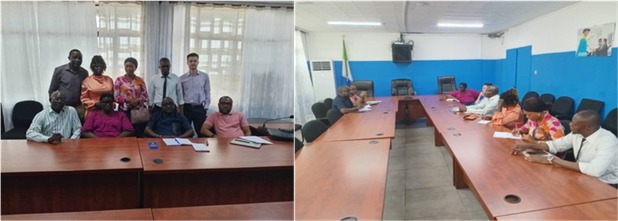
Meeting Newly appointed Director at the Director of Noncommunicable Diseases (NCDs)
- Promoting Awareness and Fostering Acceptance of Epilepsy (IGAP Objective 1):
To tackle stigma and misinformation, EASL organized a landmark event in February 2025 to commemorate International Epilepsy Day. The dialogue brought together traditional healers: who are often the first point of contact for people with epilepsy, and medical professionals, alongside community leaders and people with epilepsy. This culturally sensitive engagement promoted mutual understanding, early referral, and debunked harmful myths.
2.Strengthening Public Health Approaches and Access to Services (IGAP Objective2):
EASL continued to build institutional relationships to improve epilepsy care. Strategic meetings were held with the newly appointed Director of Noncommunicable Diseases (NCDs) in the Ministry of Health, and regular activity updates were shared with the WHO country office focal person. These efforts aim to better integrate epilepsy into national health strategies and improve service coordination
In April, EASL began discussions with the Sierra Leone Teachers’ Union and the Ministry of Education for a proposed project titled “Promoting the Right to Inclusive Education.” The EASL still under negotiation seeks to improve learning outcomes and school support systems for children with epilepsy and other neurological conditions. It represents a future step toward inclusive education and greater access to tailored public services.
3.Fostering Multisector Action and Partnerships (IGAP Objective 3):
In June 2025,EASL collaborated with the World Bank Country Office, which provided a small grant to support vocational training for girls with epilepsy. The collaboration displayed how intersectoral partnerships can promote education, economic inclusion, and empowerment highlighting IGAP’s call for cross-sector collaboration in addressing epilepsy.
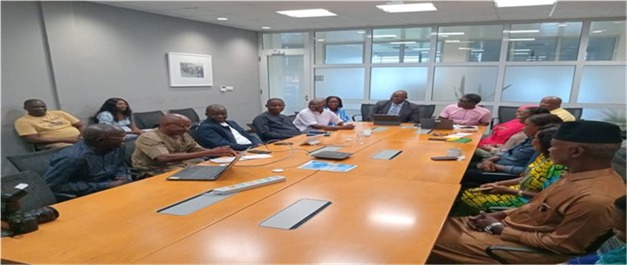
Meeting with top staff of the World Bank Country Office to approve small grants
4) Empowering and Involving People withEpilepsy and Their Families (IGAP Objective
True to IGAP Objective4, EASL embedded lived experience in every aspect of its work. A women’s epilepsy support group was established, and 30 girls with epilepsy received vocational training. In addition, EASL recruited and supported volunteers with epilepsy to lead awareness activities in rural areas. Their involvement ensured that voices from the community shaped programming and advocacy.
5.Strengthening Research and Innovation (IGAP Objective 5):
Although formal research was limited, EASL made progress by collaborating with a British research partner, sharing field experiences online via LinkedIn, and contributing data to UNICEF’s national compilation process. These steps are building a foundation for evidence-based programming and informed advocacy as key components of IGAP Objective 5