
The International Bureau for Epilepsy (IBE) is proud to launch its 2025–2026 Africa Project, a bold continental initiative dedicated to making epilepsy a health priority across Africa. Under the theme Empowering Communities, Breaking Stigma, Transforming Lives, this new phase brings together national chapters and grassroots partners to amplify the voices of people with epilepsy, reduce discrimination, and strengthen inclusive health systems. Generously supported by the BAND Foundation, the program spans Western, Eastern, Southern, and Central Africa—turning commitment into measurable, community-led action.
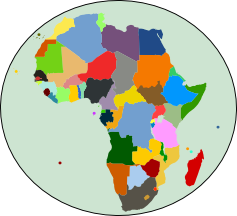
Across the continent, tailored national projects are addressing stigma, policy reform, workforce training, and economic empowerment. In Mauritius, the “Inclusive Employment” initiative promotes workplace inclusion and skills development. South Africa’s “Voices for Change” advances awareness, self-advocacy training, and national research to inform policy. Lesotho and Eswatini are driving policy transformation through advocacy and accelerated implementation of the WHO Intersectoral Global Action Plan (IGAP) on Epilepsy and Neurological Disorders.
In Kenya, youth with epilepsy are gaining digital and vocational skills—such as coding and beauty training—while community outreach reduces stigma in Nairobi and Kiambu counties. Malawi’s “Champions for Change” establishes school-based Stigma Benches to create safe spaces for dialogue and education. South Sudan sustains awareness through localized tools, treatment center support, and radio outreach.
Health system strengthening is central to initiatives in Cameroon, Mali, The Gambia, and Ethiopia. These projects train frontline health workers, integrate epilepsy into national health planning, conduct community prevalence surveys, and improve referral systems and diagnosis at the primary care level. From rural screenings in Cameroon to training 100+ health workers in The Gambia and Ethiopia, each intervention builds sustainable capacity while promoting dignity and inclusion.
Together, these projects represent a united African movement for epilepsy inclusion—bridging treatment gaps, influencing national policies, and ensuring equitable access to care. As IBE and its partners move forward into 2025–2026, the message is clear: epilepsy must no longer remain in the shadows. Through collaboration, advocacy, and community leadership, lasting change is underway
Download summary of projects here https://epilepsyafrica.org/wp-content/uploads/IBE-AFRICA-PROJECT-2025-2.pdf