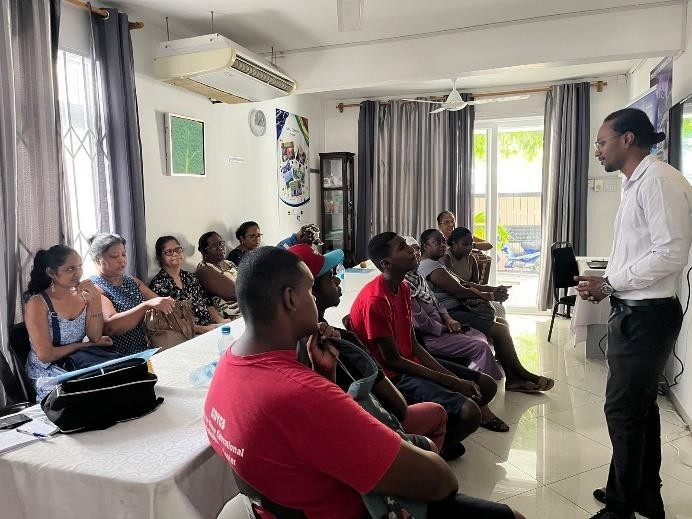
In Mauritius, the EDYCS Epilepsy Group continues to advance inclusive employment for people living with epilepsy through targeted, family-centered capacity-building. Building on the same initiative, two related one-day workshops were delivered to address persistent barriers to training, job readiness, and digital access.
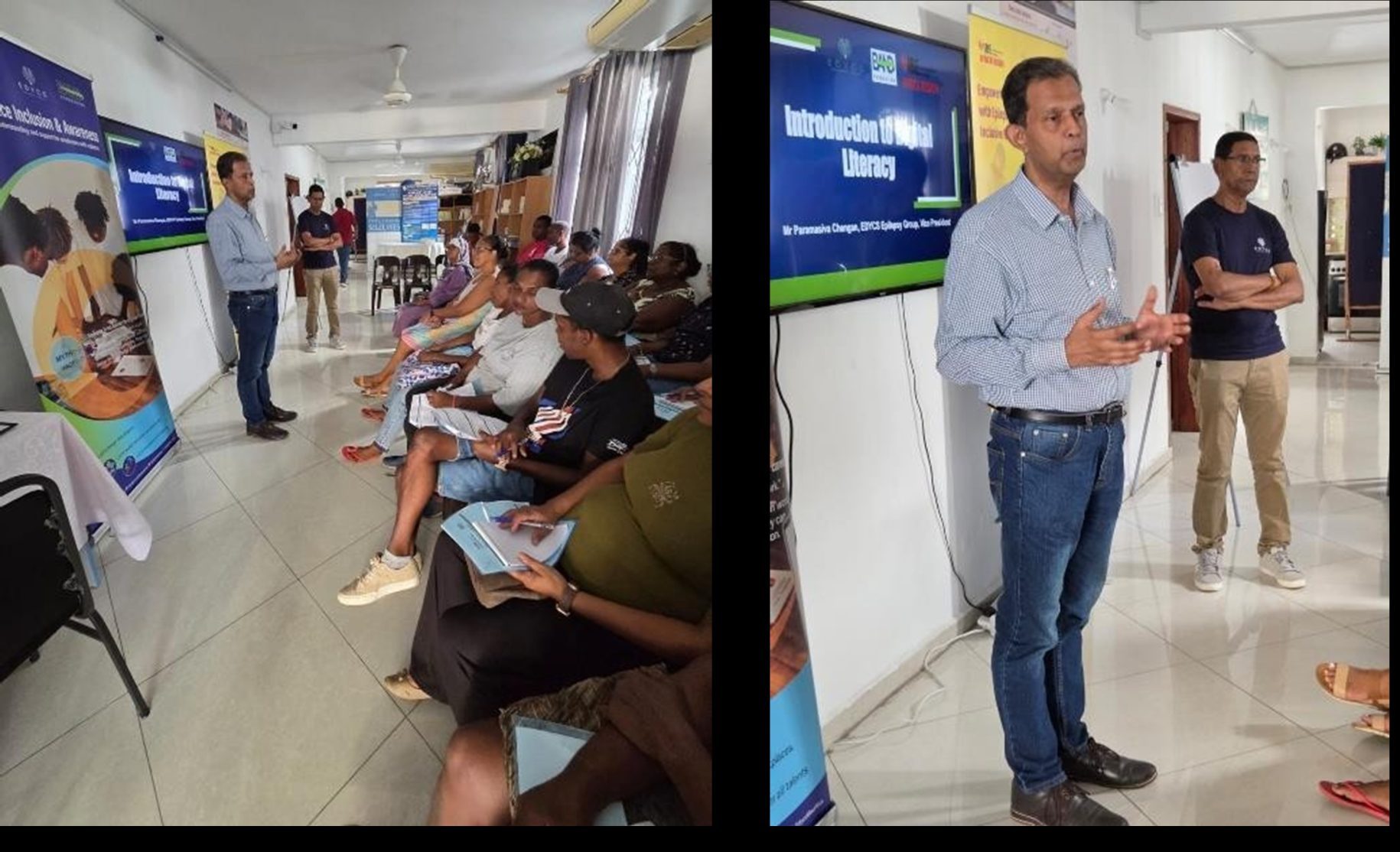
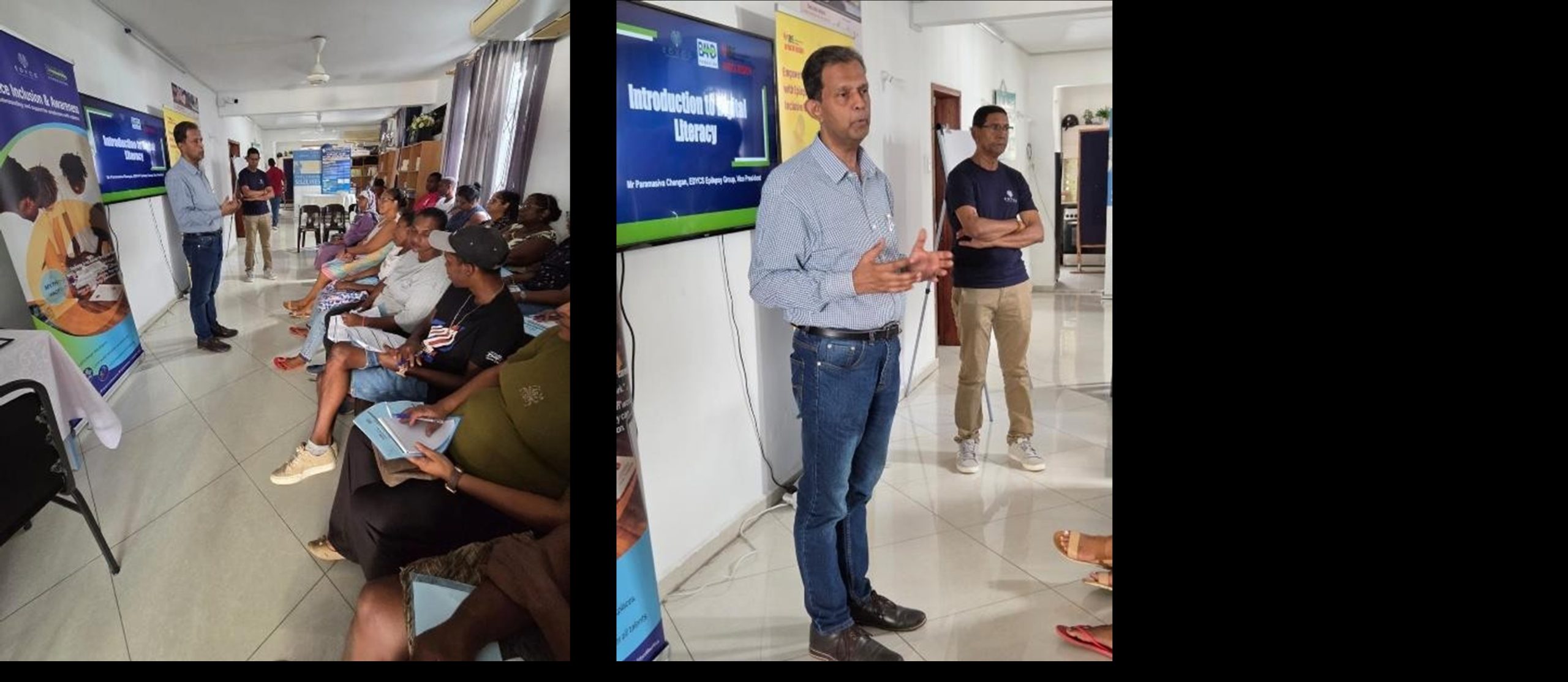
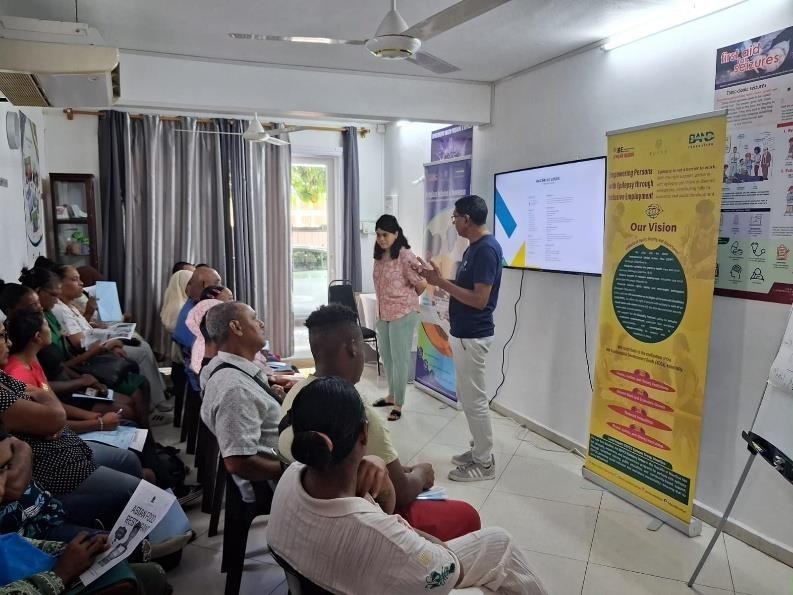 In March 2026, at the EDYCS Epilepsy Health Service Center in Port Louis, the workshop “Vocational Skills & Digital Literacy for People with Epilepsy and their Families” brought together 33 registered participants—youth and adults living with epilepsy, alongside parents, caregivers, and family members. Supported by IBE Africa Region and Band Foundation, the session focused on strengthening vocational awareness and practical digital literacy. Participants identified personal strengths, explored suitable work pathways, and learned key workplace expectations such as punctuality, responsibility, work ethics, communication, and safe participation.
Hands-on activities strengthened confidence with smartphones and other digital tools, including basic online navigation, online safety, and practical tasks such as using email/messaging and creating simple digital documents.
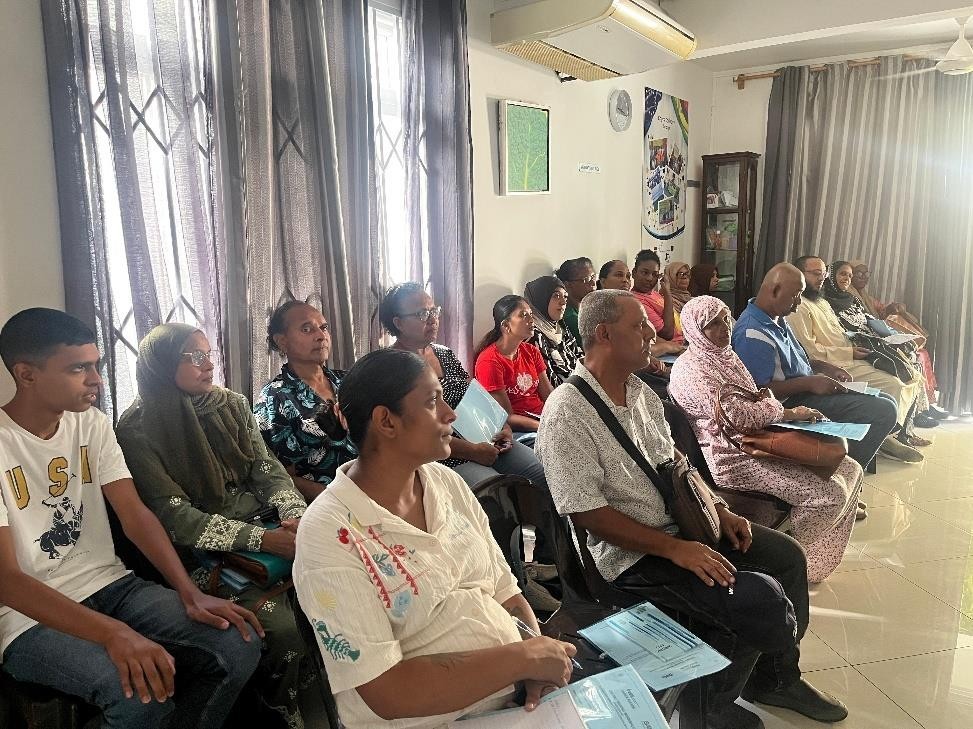
A one-day Career Guidance and Job Readiness Workshop held in Port Louis. A total of 26 participants attended, reflecting a balanced and inclusive engagement. The workshop tackled stigma and workplace misconceptions by equipping participants with tools for the job market: career pathway discussions based on interests, strengths, and health considerations; guidance on time management and communication; and learning about employee rights and reasonable workplace accommodations. Real-world preparation included CV writing, job search strategies, and mock interviews, with families actively involved to support long-term employment success.
Aligned with the WHO Intersectoral Global Action Plan on Epilepsy (2022–2031) and the UN Sustainable Development Goals, these workshops reinforce EDYCS’s commitment to dignity, independence, and equitable participation in the workforce—through improved readiness, confidence, and continued family support.