
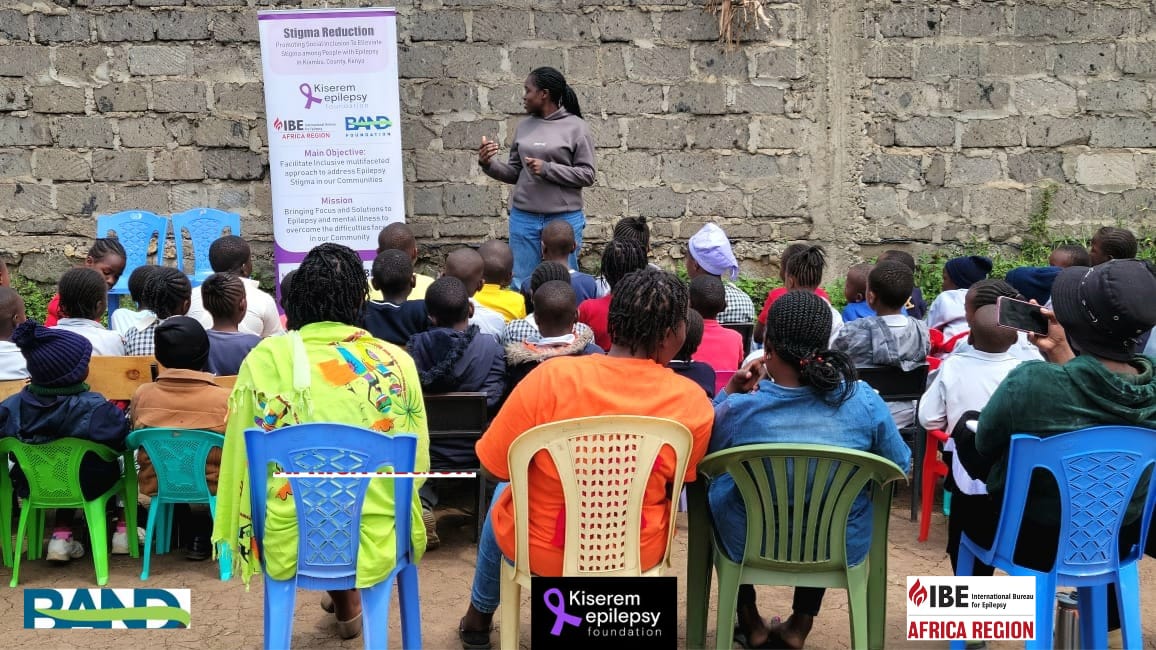
The Kiserem Epilepsy Foundation has been at the forefront of fighting epilepsy stigma in Kenya through a series of successful collaborations and community outreach programs. In August 2024, the Foundation undertook a comprehensive epilepsy stigma sensitization campaign in partnership with several prominent media outlets, including Radio Citizen, Citizen TV, and Citizen X, alongside Cassy Junior School and the Mwihoko community. These collaborations formed part of an ongoing effort to raise awareness about epilepsy, dispel myths, and improve public health responses to the condition.
The stigma surrounding epilepsy remains a persistent challenge across many Kenyan communities, exacerbating the difficulties faced by people living with epilepsy (PWE). In response, Kiserem Epilepsy Foundation launched the sensitization program to educate the public, engage key community figures, and build a more inclusive environment for those affected by the condition.
A Multi-Platform Approach to Raising Awareness
The campaign kicked off with a series of radio and television sessions designed to reach a broad audience across Kenya. On August 15, 2024, the first engagement took place at Radio Citizen, where Kiserem Epilepsy Foundation hosted a live discussion that reached approximately 10,000 listeners. The session featured in-depth discussions about epilepsy, including its triggers, misconceptions, and the critical steps individuals can take to support those living with the condition. Approximately 200 calls were received during the program, with listeners asking questions and seeking clarification on epilepsy-related issues.
The following day, Citizen TV aired a special segment on epilepsy, reaching an audience of 200,000 people worldwide. This televised session further delved into the medical aspects of epilepsy and the societal issues faced by PWE, such as discrimination and access to healthcare. The program aimed to create a ripple effect of awareness by focusing on actionable solutions to improve the lives of people living with epilepsy.
Citizen X, which aired on August 17, 2024, reached a targeted audience of 5,000 viewers and concentrated on engaging younger generations in the epilepsy conversation. The show’s host facilitated discussions on how youth can play an active role in reducing epilepsy stigma in their communities, emphasizing the need for increased understanding and advocacy at the grassroots level.
Empowering Schools and Teachers: The Cassy Junior Initiative
In addition to media outreach, the Kiserem Epilepsy Foundation partnered with Cassy Junior School on July 30, 2024, to conduct a school-based epilepsy awareness program. The initiative focused on equipping teachers with the skills needed to identify and respond to seizures among students. Ten teachers and 60 pupils from various grades participated in the program, which provided practical training on seizure recognition, first aid, and ways to offer social and academic support to affected students.
By engaging teachers, the Foundation aimed to establish schools as safe and supportive environments for students living with epilepsy. The program also tackled the stigma that often surrounds epilepsy in schools, empowering both students and educators to challenge harmful beliefs and foster a culture of understanding and acceptance.
Community Engagement at Mwihoko
The final leg of the campaign was held in Mwihoko, where Kiserem Epilepsy Foundation hosted a community dialogue on June 29 and July 4, 2024, aimed at creating a safe space for families of PWE, traditional healers, faith-based leaders, and local chiefs. With 100 parents participating, the event focused on breaking the myths and misconceptions surrounding epilepsy and promoting healthier discussions about the condition within the community.
The Mwihoko program provided a unique opportunity for parents and community leaders to advocate for better care and support systems for PWE. Kiserem Epilepsy Foundation volunteers offered counseling sessions, helping families understand the causes of epilepsy and the importance of dispelling myths. One of the key objectives was to promote local leadership in raising awareness about epilepsy and advocating for improved healthcare services for PWE.
Voices of Impact: Testimonies from the Field
The success of the Kiserem Epilepsy Foundation’s stigma sensitization program was captured through the voices of the participants themselves. One such participant was Zointy Gulu, a women’s leader in Talafari, who lost her 9-year-old child to epilepsy two years ago due to a lack of proper medication. For Zointy, the stigma bench provided a platform for her to reflect on her experience, gain understanding, and begin healing. Through counseling offered by the Foundation’s volunteers, she learned more about epilepsy and its medical management, which has helped her move forward with her life.
Another participant, John Yasfa, a primary school teacher in Talafari, expressed his appreciation for the initiative. He noted that community-based activities specifically targeting epilepsy had never been conducted in his area before. According to John, the absence of epilepsy awareness programs had contributed to the widespread misconceptions surrounding the condition in his community. He commended the stigma bench for addressing these issues head-on and hoped to see more similar activities in the future.
Looking Ahead: A Call for Continued Collaboration
The epilepsy stigma sensitization campaign spearheaded by Kiserem Epilepsy Foundation has already made a significant impact in Kenya. By leveraging media platforms, engaging schools, and working directly with communities, the Foundation has successfully spread awareness about epilepsy and challenged the myths that continue to perpetuate stigma.
The ongoing support of partners like Radio Citizen, Citizen TV, and local community leaders has been instrumental in the success of the program. Moving forward, Kiserem Epilepsy Foundation remains committed to expanding its outreach efforts and fostering partnerships that can further reduce epilepsy-related stigma and improve the quality of life for people living with the condition.
Through the stigma bench and similar initiatives, the Foundation hopes to build a future where people with epilepsy are treated with understanding and dignity, and where communities are empowered to advocate for the healthcare needs of their members.