

For Sharlene Cassel, epilepsy is not a chapter in her life story — it is the thread that has shaped her resilience, leadership, and unwavering commitment to advocacy.
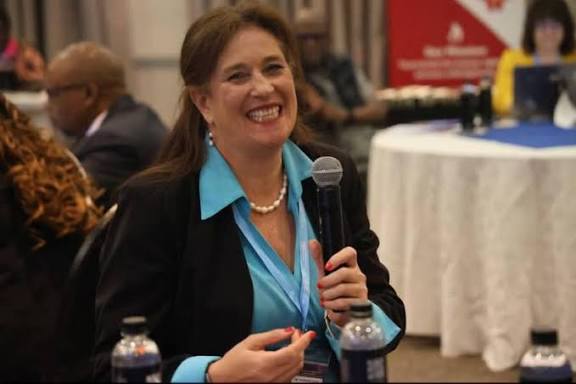
A South African woman living with epilepsy, Sharlene is the National Director of Epilepsy South Africa and Chair of IBE Africa. She was diagnosed with epilepsy as a child in 1980 and has experienced more than 100 seizures over her lifetime. In the past five years, the increasing impact of her seizures has led to her being formally recognised as a person with a disability.
Yet, when Sharlene speaks about epilepsy, she does so not from a place of limitation, but from lived authority. “Living with epilepsy is not a single moment or event. It is a lifelong journey of managing uncertainty while still choosing to live fully and lead boldly.” She explains
The Weight of Stigma
For many people living with epilepsy, the condition itself is only part of the struggle. Stigma, Sharlene says, is often far more disabling than seizures. She has encountered fear, misinformation, and silence — sometimes from strangers, sometimes from systems meant to offer protection and support. Epilepsy remains surrounded by myths and shame, with damaging assumptions about competence, reliability, and safety.
“This stigma isolates people,” she says. “It keeps children out of schools, adults out of jobs, and families from seeking care.” When epilepsy is misunderstood, people are pushed to the margins. That is why visibility, open dialogue, and honest storytelling are essential tools for change.
Unequal Access to Care
Despite advances in treatment, access to quality epilepsy care across Africa remains uneven and fragile. While Sharlene has been able to access specialist care, she is acutely aware that many people cannot.
Long waiting times, medication shortages, limited numbers of trained healthcare workers, and geographic barriers continue to define epilepsy care in low-resource settings.
“Epilepsy care should not depend on privilege or postcode,” she stresses. “It must be integrated, affordable, and accessible at primary healthcare level.”
Without this, preventable seizures, disability, and exclusion will continue.
The Power of Support
Sharlene credits much of her strength to the support systems around her. Family, close friends, healthcare professionals, and peer networks have helped her navigate difficult seasons. Equally transformative has been connecting with other people living with epilepsy. Support, she explains, is not only practical — it is emotional. “It is being believed, included, and respected.”
For women with epilepsy, this kind of affirmation can be life-changing.
Education Beyond Awareness Days
Public understanding of epilepsy remains shallow and often inaccurate. Many people recognise the word “epilepsy” but lack any real understanding of the condition. “Education must move beyond awareness days,” Sharlene says. “It must be embedded in schools, workplaces, healthcare training, and communities.”
Crucially, she believes lived experience must sit at the centre of education efforts. Real stories — not stereotypes — have the power to shift attitudes and dismantle fear.
 Employment and Disclosure
Like many women with epilepsy, Sharlene has faced employment challenges. She has had to repeatedly prove her capability, carefully manage disclosure, and challenge assumptions that limit opportunity.
She has navigated these barriers through self-advocacy, professional credibility, and persistence — but she is clear that this burden should not fall on individuals. “No one should have to choose between honesty and opportunity,” she says.
Treatment Is Not Static
Sharlene is on long-term anti-seizure medication, carefully managed and regularly reviewed. She speaks candidly about the reality that treatment effectiveness changes over time and that side effects are real.
“Epilepsy management is not static,” she explains. “It requires ongoing adjustment, partnership with healthcare providers, and self-awareness.” This truth is often overlooked in policy and practice.
Culture, Belief, and Harm
In many African communities, epilepsy is still interpreted through cultural or spiritual lenses. While culture is deeply important, Sharlene acknowledges that harmful beliefs can delay treatment and drive exclusion. “We must work respectfully with communities,” she says, “to replace fear with knowledge and compassion.”
A Message to Women with Epilepsy
Sharlene’s message to other women living with epilepsy is clear and unapologetic: “You are not broken, weak, or invisible. Your voice matters. Learn your condition, advocate for your care, seek community, and do not shrink yourself to make others comfortable.” She reminds us that lived experience is a form of expertise — one that belongs in leadership, policy, and decision-making spaces.
Looking Forward
Sharlene’s personal aspiration is to continue living with purpose, honesty, and balance. Her advocacy vision is even broader. She wants to see epilepsy recognised as both a health and a human rights priority — especially for women and girls.
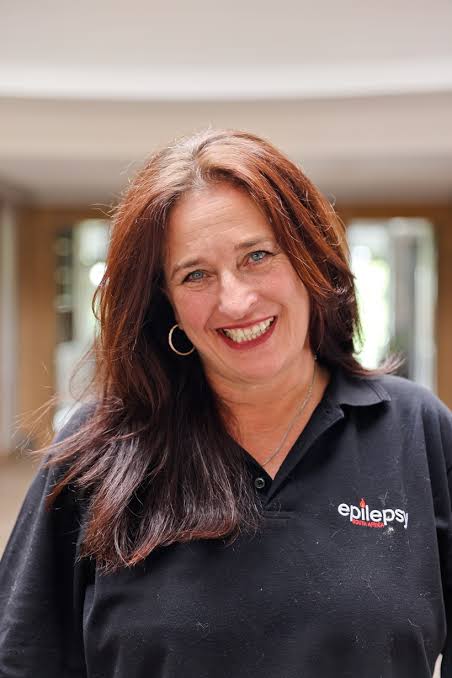
“I want a future where no woman with epilepsy is excluded from education, employment, leadership, or dignity in Africa and beyond.” she concludes
Sharlene Cassel’s story reminds us that epilepsy is not only a medical condition, but a lived human experience. When women with epilepsy are heard, believed, and included, systems change — and dignity becomes non-negotiable
By Wanchia Cynthia Communications Officer, IBE– Africa